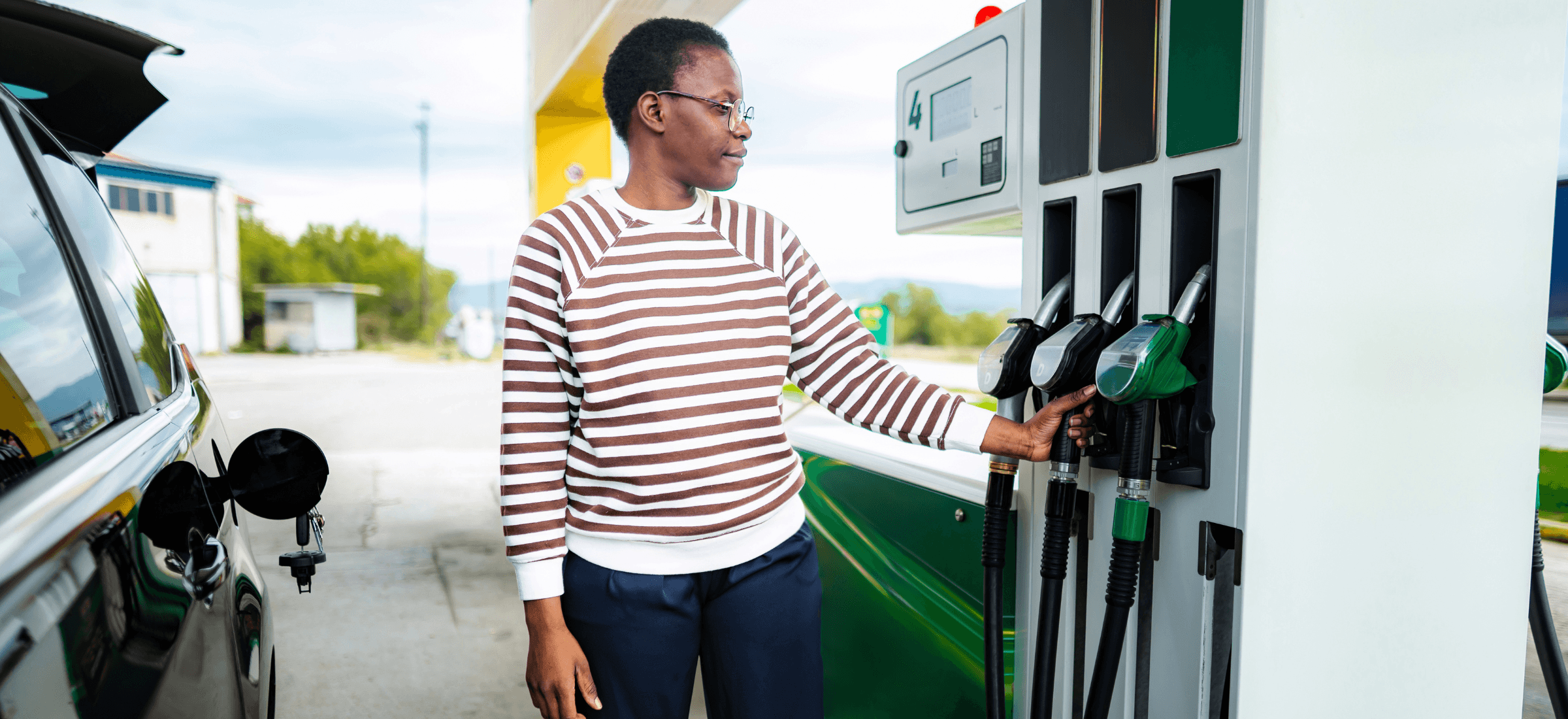

Learning how to reduce fuel consumption in cars can help you save money and get more from every tank. Whether you drive mainly in towns, on motorways, or a mix of both, simple habits like smoother driving, checking tyre pressure, and reducing unnecessary weight can all improve fuel efficiency. In this article, we cover 6 practical ways to lower fuel consumption and save money at the pump.
With fuel prices continuing to fluctuate across Ireland, the cost of everyday driving has become a real concern for many households. Whether you’re commuting, doing the school run, or heading off on a weekend trip, fuel costs can quickly add up. A well-maintained car uses less fuel, and regular car servicing helps maintain your engine's fuel efficiency.
The good news is that improving your fuel efficiency doesn’t require a new car — just a few smarter habits behind the wheel and some simple maintenance checks. A well maintained car and regular car servicing are crucial for reducing fuel consumption and maintaining fuel efficiency.
Here are SIX proven ways to reduce your fuel consumption — and how much you could potentially save.
1. Drive Smoothly and Avoid Sudden Acceleration
How you drive has one of the biggest impacts on fuel consumption. Rapid acceleration, hard braking, and constantly changing speed can increase fuel usage by up to 20–30%, particularly in stop-start traffic. Avoiding sudden braking and acceleration can save fuel by maintaining momentum.
When you accelerate harshly, your engine burns more fuel to generate power quickly. Similarly, braking suddenly wastes the energy you’ve already used to build up speed.
What to do instead:
Accelerate gradually and smoothly
Accelerate gently to reach optimal gear levels without excessive revving.
Keep a safe distance to anticipate traffic flow
Anticipate traffic lights and traffic flow to keep your car moving smoothly and avoid unnecessary stops.
Use higher gears where appropriate
Shift to the highest possible gear as soon as appropriate to keep engine RPM lower and improve fuel efficiency.
Use engine braking and avoid aggressive use of brakes to maintain momentum and save fuel.
Maintain a steady speed whenever possible
Aim to keep your speed constant and maintain a steady speed whenever possible.
Maintaining a constant speed and using higher gears helps save fuel by reducing unnecessary acceleration and braking. Using engine braking and anticipating the road ahead can help keep the car moving efficiently and reduce reliance on the brakes.
Potential savings: A smoother driving style could save you up to €200–€300 per year depending on your mileage.
2. Watch Your Speed — It Costs More Than You Think
Many drivers don’t realise just how much speed impacts fuel efficiency. Fuel consumption increases significantly at higher speeds due to wind resistance. Driving at a steady speed between 50–90 km/h on the highway is best to achieve optimal fuel economy.
For example:
Driving at 120 km/h can use up to 20% more fuel than driving at 100 km/h
Most cars are at their most efficient between 80–100 km/h
Even small reductions in speed on longer journeys can make a noticeable difference.
What to do instead:
Stick to speed limits
Use cruise control on motorways where safe
Ease off the accelerator slightly on long drives
Maintain a constant speed and use cruise control on flat roads to improve fuel efficiency.
Shift into top gear or higher gear as soon as appropriate to keep engine RPM low and improve car's fuel economy.
Avoid driving slower than 50 km/h for extended periods, as this can force the engine into a lower gear and increase fuel consumption.
Maintaining a consistent speed and staying within the speed limit helps optimize your car's fuel economy. Using cruise control on flat surfaces allows your vehicle to maintain a steady pace, minimizing fluctuations in fuel consumption. Driving at lower speeds can reduce fuel consumption by 5% to 15% depending on the vehicle.
Potential savings: Reducing your motorway speed slightly could save €100–€200 annually, especially for regular commuters.
3. Keep Your Tyres Properly Inflated
Your tyres play a bigger role in fuel efficiency than you might expect. Under-inflated tyres increase rolling resistance, meaning your engine has to work harder to move the car.
According to road safety and motoring organisations, tyres that are just 0.5 bar below the recommended pressure can increase fuel consumption by up to 5%.
What to do:
Check tyre pressure at least once a month
Always check before long journeys
Use the manufacturer’s recommended PSI (found in your car manual or inside the driver’s door)
Bonus: Proper tyre pressure also improves safety, handling, and tyre lifespan.
Potential savings: Correct tyre pressure could save you €50–€100 per year in fuel alone.
4. Reduce Weight and Drag
The more weight your car carries, the more fuel it needs. It might not seem like much, but carrying unnecessary items — especially over time — can impact efficiency. Unnecessary weight and excess cargo, such as items left in the boot or on the seats, can increase fuel consumption and reduce your vehicle's fuel efficiency.
Roof racks and roof boxes are another hidden culprit. Even when empty, they create aerodynamic drag, making your car less efficient at higher speeds.
What to do:
Clear out heavy or unnecessary items from your boot
Remove roof racks or boxes when not in use
Avoid carrying excess weight day-to-day
Remove excess cargo and unnecessary weight from your vehicle, including empty roof racks, to improve fuel economy.
Potential impact:
An extra 50kg in your car can increase fuel consumption by around 1–2%
Every extra 50kg your car puts on increases fuel consumption by 2%
Removing unnecessary heavy items from the boot can help improve fuel economy
Roof racks can increase fuel usage by up to 10% at motorway speeds
Potential savings: Reducing weight and drag could save €50–€150 annually, depending on usage. Avoiding unnecessary weight in your vehicle can lead to noticeable savings in fuel costs.
5. Avoid Idling and Plan Your Trips
Leaving your engine running while parked (idling) is one of the easiest ways to waste fuel — and it adds up more than you might think.
An idling engine can use 0.5 to 1 litre of fuel per hour, depending on the car.
Short journeys are also less fuel-efficient because your engine doesn’t have enough time to reach its optimal temperature, meaning it burns more fuel. Cold engines burn more fuel than warmed-up ones, making short trips exceedingly expensive with regard to fuel costs.
What to do:
Turn off your engine if stopped for more than 60 seconds
Combine multiple short trips into one journey to keep your engine warm and reduce fuel consumption.
Plan routes to avoid heavy traffic where possible
Use Google Maps or similar apps to check real-time traffic conditions and avoid traffic jams, which can waste fuel.
Consider public transport, carpooling, or cycling/walking for short distances as cost-effective and environmentally friendly alternatives.
Potential savings: Reducing idling and combining trips could save €100+ per year, especially for urban drivers.
Combining errands into a single trip can help keep your engine warm and reduce fuel consumption. Carpooling is a cost-effective and environmentally friendly travel method. Investing in an electric vehicle can help eliminate the cost of petrol and diesel altogether.
6. Using Climate Control and Accessories Wisely
How you use your car’s climate control and accessories can have a noticeable effect on your fuel consumption. Air conditioning is a major contributor to increased fuel usage, especially during hot weather or long journeys. While it’s tempting to keep the air conditioning running, it’s best to use it sparingly to maintain better fuel economy.
At lower speeds, opening your windows can help cool the car without using more fuel, but at higher speeds, open windows create wind resistance, which forces your engine to work harder and can increase fuel consumption.
BONUS TIP: Don’t Run Your Tank on Empty
It might be tempting to stretch your fuel as far as possible, but regularly driving with your fuel gauge in the red isn’t a great habit.
While it doesn’t directly impact your fuel efficiency in terms of miles per litre, it can affect your car’s performance and long-term health.
Why it matters:
Fuel pumps rely on fuel for cooling and lubrication — running low repeatedly can cause wear over time
Sediment in the bottom of the tank (common in older cars) can get pulled into the fuel system when levels are very low
You’re more likely to run out of fuel unexpectedly, which can be inconvenient and potentially unsafe
In some cases, these issues could lead to reduced engine performance or costly repairs — which ultimately outweigh any short-term savings from delaying a fill-up.
Best practice: Try to refill when your tank reaches around ¼ full, rather than waiting until it’s nearly empty.
Understanding Fuel Costs and Prices
Fuel costs are a significant part of every driver’s budget, and understanding what affects fuel prices can help you make smarter choices at the pump. Prices can change due to global oil markets, local taxes, and even seasonal demand, so keeping an eye on current fuel prices can help you decide the best time to fill up and save money.
But saving on fuel isn’t just about when you buy—it’s also about how you drive and maintain your vehicle. Adopting fuel-efficient driving habits, such as maintaining a steady speed, using cruise control on the motorway, and avoiding rapid acceleration, can all help reduce your fuel consumption and improve your car’s fuel economy. Regularly checking your tyre pressure and using the recommended engine oil also contribute to a more fuel efficient vehicle, lowering your overall fuel expenses.
Small Changes, Real Savings
When it comes to fuel efficiency, it’s the small changes that make the biggest difference. By adjusting your driving style, keeping your car well maintained, and being a little more mindful on the road, you could save hundreds of euro each year.
Better still, these habits don’t just save money — they also:
Reduce wear and tear on your car
Improve road safety
Lower your environmental impact
Company
Insurance
We use cookies on this website, more info can be found here. Copyright © 2024 MCL Insurance Services (Ireland) Limited. All rights reserved. MCL Insurance Services (Ireland) Limited trading as Its4women.ie is regulated by the Central Bank of Ireland.